

5 min read
You've read your Scorpio description a hundred times. The intensity. The secrecy. The way you hold grudges like heirlooms. It felt like someone had been watching you through a one-way mirror. So you built your identity around it — Scorpio energy, Scorpio season, Scorpio rising. But here's the quiet, unsettling part: the sign you've been reading your whole life may not actually be your sign at all. The older system — one that tracks where the planets really were in the sky when you were born, not where the calendar says they should be — places your sun one sign back. You might be a Libra. And the real chart has been sitting there, waiting, while you've been reading someone else's horoscope for years.
"The zodiac you know is locked to the seasons. The zodiac that's actually accurate is locked to the stars. They haven't agreed for two thousand years."
Key Takeaways
- Western astrology uses the tropical zodiac (fixed to seasons); Vedic astrology uses the sidereal zodiac (fixed to actual star positions), and the two are now about 24 degrees apart.
- Because of this gap, most people's Vedic sun sign is one sign earlier than their Western sun sign — a "Scorpio" is often a Libra, a "Sagittarius" is often a Scorpio.
- The shift isn't just about your sun sign: your rising sign, moon sign, and every planetary placement in your chart changes when calculated sidereally.

What is the Vedic zodiac, and why does it differ from the Western one?
Vedic astrology — the system developed in ancient India over 2,000 years ago — uses what's called the sidereal zodiac. Sidereal means "of the stars." When Vedic astrologers calculate your chart, they measure where each planet actually was against the backdrop of fixed constellations at the moment you were born. Western astrology, by contrast, uses the tropical zodiac, which is locked to the seasons — specifically, to the spring equinox. The tropical system says the zodiac starts at 0 degrees Aries on the vernal equinox every year, regardless of where the constellation Aries actually sits in the sky. These two systems were roughly aligned about 2,000 years ago. They aren't anymore. The gap between them — caused by a slow wobble in Earth's axis called the precession of the equinoxes — is now approximately 23 to 24 degrees, which is almost one full sign. This is the single biggest reason your Vedic vs Western zodiac sign comes out different.

Why the tropical zodiac drifted from the stars
The precession of the equinoxes is a 26,000-year cycle. Earth's axis doesn't point in a fixed direction — it traces a slow circle, like a spinning top winding down. This means the position of the sun against the stars at the spring equinox shifts backward by about 1 degree every 72 years. The ancient Greeks who formalized the tropical zodiac around the 2nd century CE didn't account for this drift, or they chose to ignore it and anchor the zodiac to the calendar instead. That choice stuck. Every Western astrology app, book, and column you've ever read inherits it. Vedic astrologers, working from a different tradition, kept correcting for precession. Their zodiac stays aligned with the observable sky. So when you were born, the sun may have been in the constellation Libra — but the tropical system, still measuring from a point that drifted centuries ago, called it Scorpio. One system measures the sky. The other measures the calendar. They give different answers.
Here's what that looks like in practice. If your Western sun sign is Scorpio, your Vedic sun sign is most likely Libra. If you're a Sagittarius, you're probably a Scorpio. Capricorn becomes Sagittarius. Aquarius becomes Capricorn. The shift is consistent for almost everyone born between roughly 1950 and 2025, because the current gap sits right at that one-sign threshold. There's a small window — the first few degrees of each sign — where the shift doesn't apply, and your Western and Vedic signs might match. But for the vast majority of people, the answer is: one sign back.

What else changes when your zodiac sign shifts
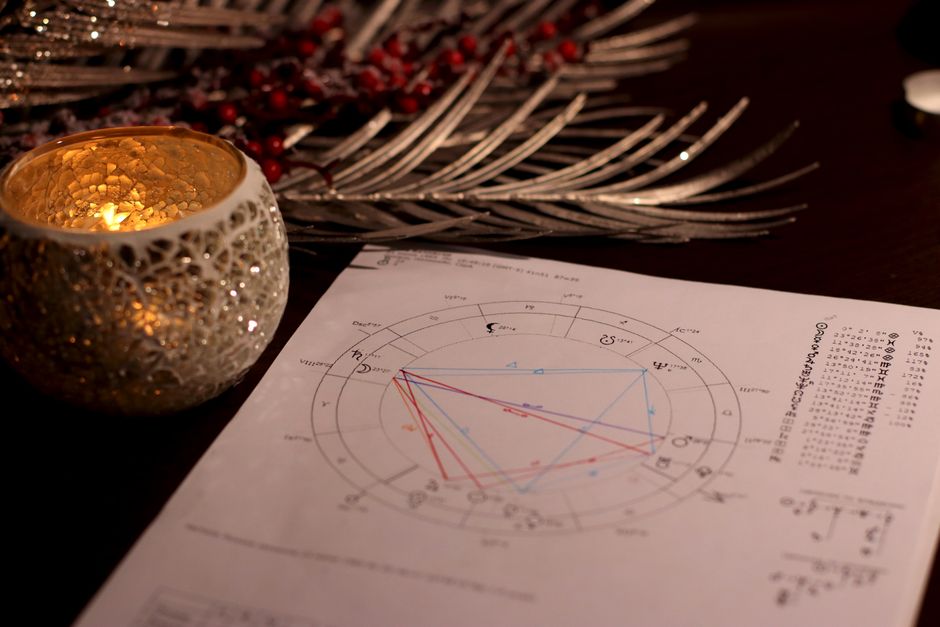
It's not just your sun sign. Your entire chart recalculates. Your Lagna (rising sign) — which Vedic astrologers consider the single most important placement in your chart, more defining than your sun sign — shifts. Your Chandra Rashi (moon sign) shifts. Shani (Saturn), Mangal (Mars), Guru (Jupiter), Budha (Mercury), Shukra (Venus), and the shadow planets Rahu and Ketu all move to different positions. The Bhavas (houses) that govern your career, relationships, health, and finances are redrawn from a different starting point. This means the predictions, timing systems, and compatibility analyses built on your Vedic chart are operating from a fundamentally different map of your life. The Dasha system — Vedic astrology's predictive timeline, which assigns you a sequence of planetary periods (Mahadasha) and sub-periods (Antardasha) based on your moon sign — is entirely recalculated. Your Saturn return, if you want to think in Western terms, happens at a different age. Your Sade Sati — Saturn's 7.5-year transit over your natal moon sign and the two adjacent signs — begins and ends on a different schedule. Everything downstream of your birth chart changes because the chart itself is different.
Why sidereal is more accurate — and why most Western astrologers never mention it
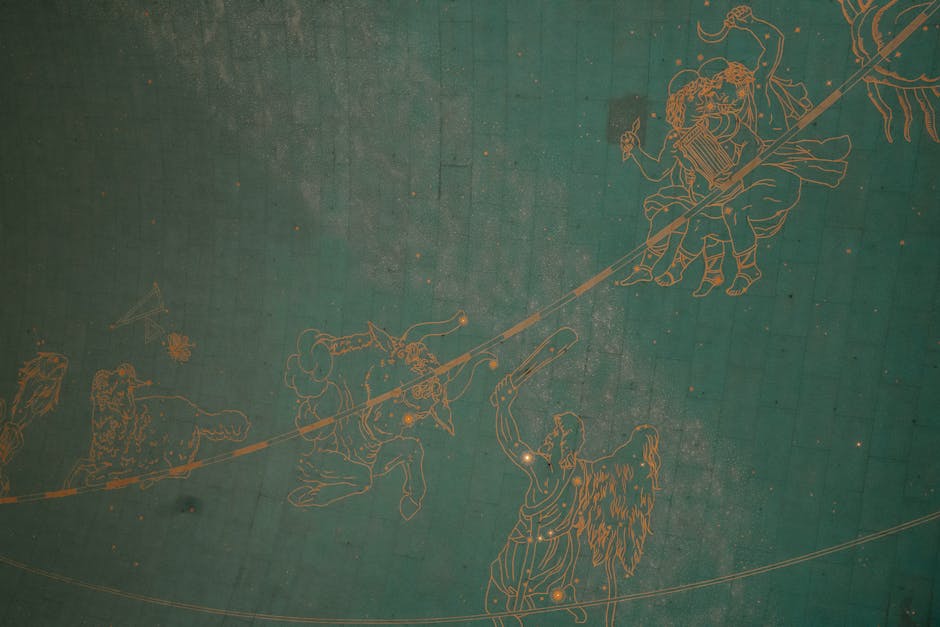
The argument for the sidereal zodiac is straightforward: it reflects physical reality. When you look up at the night sky, the planets are in the constellations the sidereal system says they're in. NASA star charts confirm this. The tropical zodiac, by contrast, is a seasonal abstraction — useful for tracking the calendar, but disconnected from the actual sky. Vedic astrology's predictive track record, built over millennia on sidereal calculations, is the reason many astrologers who study both systems eventually switch. The timing precision of the Dasha system, the specificity of Sade Sati predictions, and the accuracy of Lagna-based personality readings all depend on the chart being anchored to real star positions. Western astrology rarely discusses this gap because acknowledging it would mean admitting that the foundation of the system — the tropical zodiac — is a seasonal approximation that hasn't matched the sky for centuries. It's not that Western astrology is useless. It's that it's working from a map that drifted off course a long time ago, and most people have no idea.
The only way to know your actual Vedic chart is to calculate it. Stellr does this automatically — and the result often surprises people who've known their Western chart for years.
What this can't tell you
A Vedic chart is precise, but it's not a prison sentence. Knowing your sidereal sign gives you a more accurate map, but you still choose how to navigate it. The chart shows tendencies, timing, and pressure points — not fixed outcomes. If you've been a "Scorpio" your whole life and the Vedic system says you're a Libra, that doesn't erase your experience. It reframes it. You get to decide what to do with the new information. The chart is a tool, not a verdict.
Frequently Asked Questions
How do I know if my Vedic zodiac sign is different from my Western one?
Calculate your Vedic birth chart using your exact birth date, time, and location. Most people born after 1950 will find their Vedic sun sign is one sign earlier than their Western sign. The only exception is if you were born at the very beginning or end of a sign, where the shift may or may not apply.
Is Vedic astrology more accurate than Western astrology?
Vedic astrology uses the sidereal zodiac, which aligns with actual star positions, while Western astrology uses the tropical zodiac, which is fixed to the seasons and has drifted about 24 degrees from the real sky. Many practitioners consider the sidereal system more precise for predictions and timing.
What is the difference between tropical and sidereal zodiac?
The tropical zodiac is anchored to the spring equinox and tracks seasons. The sidereal zodiac is anchored to fixed star positions and tracks the actual sky. They diverge by about 23-24 degrees due to the precession of the equinoxes, a slow wobble in Earth's axis.
Does my rising sign change in Vedic astrology?
Yes. Your Lagna (rising sign) is calculated from the exact degree of the eastern horizon at your birth, and because the sidereal zodiac shifts all sign boundaries, your Vedic rising sign is often different from your Western one. This is significant because Vedic astrologers consider the Lagna the most important placement in the chart.
Curious what this means for YOUR birth chart? Discover your Vedic chart on Stellr →
Free birth chart