

10 min read
You sit at your desk, birth date already memorized, typing the numbers into a new kind of chart calculator. The wheel spins. And then your Sun — the one you've called yourself for twenty-three years — slides backward one full sign. No warning. No explanation. Just Leo becoming Cancer in the space of one silent scroll-wheel click. When my sun sign changed in Vedic astrology, I laughed at first, then sat there wondering if I've been reading someone else's horoscope since I was sixteen. The sign I've worn on coffee mugs and flapped around at parties just got swapped for its direct predecessor. The whole chart did. Moon flipped. Rising sign recalculated. Everything you thought you knew about your own sky just quietly filed a revision.
"When my sun sign changed in Vedic astrology, every other assumption I had quietly filed a revision."
Key Takeaways
- Tropical (Western) astrology locks signs to Earth's seasons, not the stars — this is the root of the 23-degree gap
- Sidereal (Vedic) astrology measures where planets were actually positioned against the real night sky at your birth
- Most Western sun signs fall one full sign earlier in a Vedic chart, and your moon and rising sign likely did too
- The entire Vedic birth chart gives a more precise read because it uses the actual star positions, not seasonal approximations
What is the sidereal zodiac?
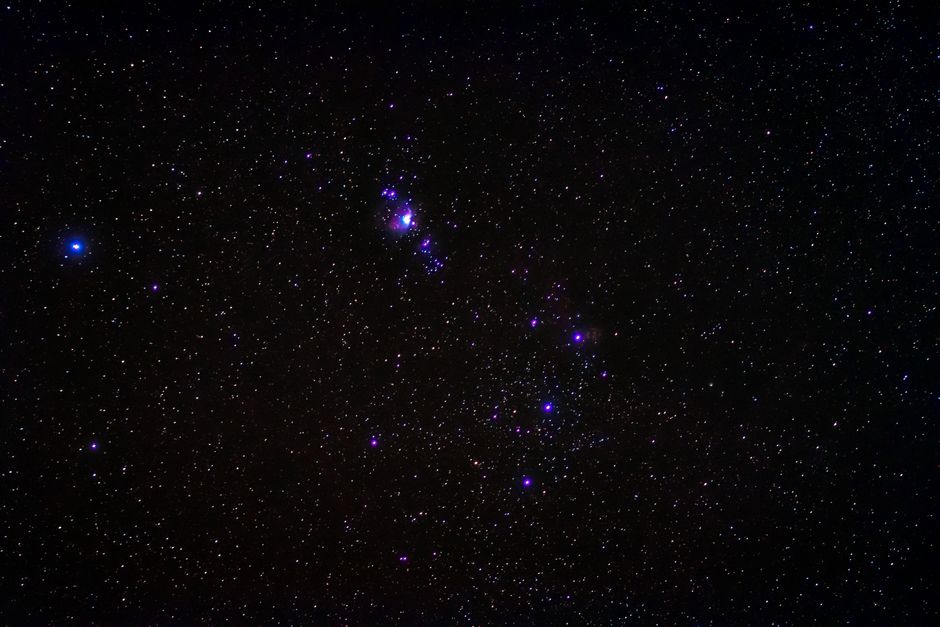
The sidereal zodiac is a fixed star map. It measures the positions of the Sun, Moon, and eight planets against the actual constellations in the sky — the real stars you can see overhead if you darken your bedroom and look up. Sidereal comes from the Latin word for "star," and that's exactly what it calibrates to: stellar positions as they were at a moment in time. Vedic astrology, which developed in North India over several thousand years using precise observational astronomy, exclusively uses this system. The sidereal zodiac is what most Western readers have never heard of, and it's the single reason my sun sign changed in Vedic astrology.
The zodiac wheel divides the ecliptic into 12 equal 30-degree signs, anchored to a fixed reference point — typically the star Spica or another bright marker in the sky. Each time the Sun enters a new constellation, a new sign begins. This means the map stays tethered to what's physically up there.
How the tropical zodiac split everything apart
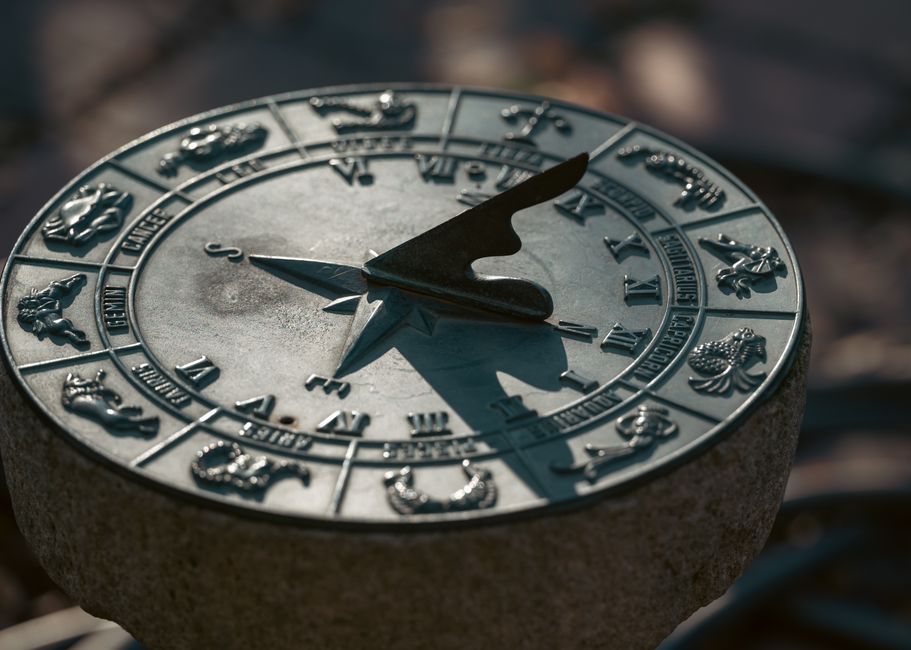
Western astrology doesn't use the stars. It uses seasons. The tropical zodiac, which Greek astronomers formalized around the second century BCE, locks Aries to the spring equinox — the exact moment the Sun crosses the celestial equator around March 20 every year. Libra anchors the fall equinox. Cancer anchors the summer solstice. Taurus, Leo, Scorpio, Aquarius — all four cardinal signs pin to a seasonal turning point. Your sign is determined by where the Sun fell in the calendar cycle, not where it sat in front of the actual constellations.
For centuries this system worked fine because the two zodiacs roughly overlapped. But Earth wobbles on its axis in a slow 26,000-year cycle called the precession of the equinoxes. Each year, the tropical positions drift about 50 arc seconds further from the sidereal positions. After two thousand years, that adds up to roughly 23-24 degrees — almost one full sign. The two zodiacs are now nearly completely offset. The Sun that Western charts slot into Aries for two tropical weeks in late March and early April is sitting in front of the actual constellation Pisces. Most people who think they're Aries are Pisces in the sidereal system. Most Western Leos are sidereal Cancers. Most Western Scorpios are sidereal Libras. It's a full-sign walk-back for almost everyone born between roughly mid-August and mid-September, since that's where the overlap cuts off and the offset becomes a full sign. My sun sign changed in Vedic astrology because the rough approximation Western astrology relied on split from the observable sky nearly two millennia ago, and nobody bothered to recalibrate.
Here is where it starts getting strange. The shift isn't limited to your Sun. Your entire Vedic birth chart repositions — Lagna (your rising sign, which is actually the most important single placement in Vedic astrology), Chandra (Moon), Mangal (Mars), Guru (Jupiter), Shani (Saturn), Budha (Mercury), Shukra (Venus), and the two lunar nodes Rahu and Ketu (what Western astrology calls the north and south nodes). Every single one of those positions recalculates against the actual sky. And the Lagna shifts the hardest because it's house-specific — determined by your exact birth time and location, mapped to the eastern horizon at the moment you took your first breath. A person born at 6:47 AM in Houston hits a completely different Lagna than someone born at 7:12 AM two suburbs over. The houses — called Bhavas in Vedic astrology — reassign entirely. Everything you've read about the 7th Bhava (the house of partnerships and marriage) or the 10th Bhava (career and public standing) was based on a tropical wheel that's no longer aimed at the right patch of sky.
Stellr pulls your positions from a sidereal ephemeris database that tracks the exact degree of every planet against the fixed-star backdrop. Your Vedic birth chart recalculates all of it — Sun, Moon, rising, every Graha in every Bhava — from scratch. No conversion shortcut. No rough estimate.

Why sidereal tracking matters more than you think
Here's the honest case: the tropical zodiac was never designed to represent the current night sky. It was an elegant solution to a calendar problem ancient Greek astronomers were solving. Locking signs to the equinox made seasonal prediction consistent and repeatable. If you were a farmer irrigating by the Nile or harvesting around the Aegean, knowing the Sun was "in Aries" meant the equinox had just passed. It was useful. It just doesn't describe what's overhead right now.
Sidereal astrology describes what's actually overhead. When a Vedic chart places your Sun at 14 degrees Cancer, it means the Sun was physically positioned in front of the constellation Cancer at your birth. When a Western chart places that same Sun at 14 degrees Leo, it means your birthday fell on the 45th day after the spring equinox, regardless of what stars were in that patch of sky. One system reads the sky. The other reads the calendar.
This distinction becomes genuinely important when you start looking at Dasha timing — Vedic astrology's predictive calendar system. Mahadasha (major planetary period) and Antardasha (sub-period) sequences activate based on the Moon's exact degree in a specific Nakshatra (one of 27 lunar mansions measured against fixed-star asterisms). If the Moon's position is off by even a few degrees — which it is in tropical calculations — the whole timing sequence shifts. A career breakthrough that your Vedic chart predicts for a specific Guru (Jupiter) Antardasha could land a full two years early or late in a tropical framework, because the baseline measurement was never anchored to the stars in the first place.
Does that mean Western astrology is worthless? Not exactly. It means it operates on a seasonal metaphor that no longer aligns with the heavens in the way its founders intended. It also means the personality archetypes many readers connect with survive the shift — if your Vedic Sun moved from Leo to Cancer, you're still someone who leads in some contexts and nurtures in others. The system doesn't erase your identity. It points you toward the precise configuration that was actually above you at birth.

What this can't tell you
A recalculated chart maps the sky — it doesn't hand you a verdict. Knowing your Moon sits in sidereal Scorpio instead of Sagittarius changes how you read your emotional life, but it doesn't tell you whether you should call your ex. Vedic astrology describes internal weather, not binding outcomes. The 20-degree correction refines the lens, but it doesn't lock you into a script. Stellr generates charts with this exactness because precision is the starting point, not the entire purpose. A precise chart lets you decide what to do with what it reveals.
Curious what this means for YOUR birth chart? Discover your Vedic chart on Stellr →
Key concepts
Free birth chart