

7 min read
You're lying awake, heart pounding, thumb hovering over their number, replaying the last message until it loses meaning; does my ex miss me vedic astrology offers a cold, clarifying lens. Because emotions lie, but your chart doesn't, and the 8th house and Ketu reveal whether their silence is indifference or unresolved longing. Saturn's slow drag on the Moon and Ketu's silent severing of emotional threads explain why you cannot let go even when they have moved on. Read this if you want proof from the stars, not stories, about whether your ex still aches for you.
The 8th house and Ketu show whether their presence still lingers in your emotional subconscious or if your mind is chasing a ghost your chart never allowed to become real.
Key Takeaways
-
- If their significator planets relate to your 8th house or Ketu is prominent in their chart, your ex misses you far longer than you accept.
-
- A strong Venus in their 7th Bhava or an unfulfilled Moon-Ketu axis in the dashas indicates genuine longing rather than casual nostalgia.
-
- Vedic timing via the dasha and Saturn transits pinpoints when their feelings could resurface or finally release you.
What is the 8th Bhava? The 8th Bhava (the house of sleep and hidden fears) governs joint resources, intimacy, vulnerability, and the parts of yourself you hide even from partners. In Vedic astrology, this Bhava reflects transformation, secrecy, and what lies beneath the surface of ordinary interaction. Planets placed here color how a person processes loss, shares control, and revisits past connections. Your ex’s 8th house shows whether they bury emotions quietly or replay them endlessly, while your 8th reveals how you absorb that hidden undercurrent. Where Saturn sits here adds weight, dragging the past into awareness, whereas Ketu can cut the thread entirely if the release is meant to be final.

Why your 8th house and Ketu reveal whether your ex misses you
Your 8th house is the vault where unsaid words, unresolved arguments, and secret regrets are stored, and it reflects how deeply a person experiences longing and psychological merger. Ketu, the south node of the Moon, represents detachment, past-life residue, and the parts of yourself that feel distanced or abandoned; it shows whether your ex is genuinely over you or still spiritually tethered. When your significator or Venus connects with the 8th house, or when Ketu forms a challenging aspect to your Moon or their Moon, the past refuses to stay buried. You feel it in dreams, sudden urges to message, or a heaviness that suggests they are thinking of you just as you think of them. Yet if benefics like Shukra (Venus) or a benefic Guru (Jupiter) occupy or aspect their 8th, feelings may soften gently, creating hope without the torment of obsession. The dashas and transits decide whether this is the moment they finally release you or return.
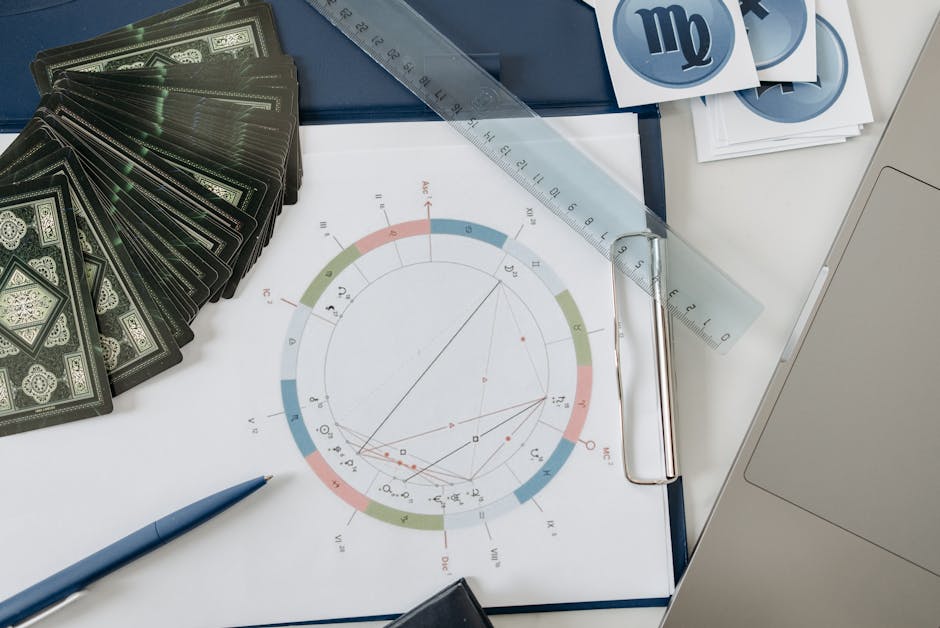
What does Shani (Saturn) timing mean for getting back together?
Shani (Saturn) moves slowly, and when it contacts the Moon, your emotional core, or the planets linked to your ex, it forces you to confront what no longer serves you. Sade Sati, the 7.5-year Saturn transit over your Moon and adjacent signs, can feel like a long season of questioning, restraint, and second thoughts. If your ex’s Shani falls on your Moon or if your Moon connects to their 8th house during their current Mahadasha, their mind may drift back, especially during the Antardasha of Shukra (Venus) or Guru (Jupiter), which briefly softens Saturn’s pressure. Yet Saturn is not cruel; it teaches durability over drama. It separates what was fragile so something grounded can eventually form. If the relationship returns under a harsh Shani transit without genuine maturity, history repeats. If it returns during a Shani transit into a supportive Rashi or is moderated by a strong Lagna, it can mature into lasting partnership. Read your timeline through your Vedic birth chart to see when Saturn will offer reconciliation or resolution.

What does Ketu’s position reveal about closure or return?
Ketu embodies the past you cannot change and the emotional distance you may both need. If Ketu sits in or aspects your 8th house, your ex might mentally revisit the relationship like a ghost, curious but unwilling to fully re-enter. A Ketu-Moon connection in either chart can create a strange pull, a feeling of unfinished business that never fully resolves. Yet Ketu is also liberation; when strong benefics like Shukra or Guru override its influence, the longing fades into neutrality rather than pain. You may wonder about them during Ketu’s Antardasha, experience brief flashes of nostalgia, and then suddenly feel nothing at all once the period passes. The sign and house where Ketu sits refine this: in Simha Rashi (Leo), ego and drama may linger, while in Kanya Rashi (Virgo), practicality and distance grow faster. To understand whether your specific chart shows closure or a possible window back, a reading of your Vedic birth chart clarifies Ketu’s role in your emotional timeline.

What does Venus and the 7th Bhava say about love lingering?
Venus, or Shukra, governs how you love, what you value in partnership, and the grace with which you attract affection. The 7th Bhava, the house of partnerships and open enemies, reveals how committed you appear and how deeply you bond. When your ex’s Venus is strong, well-placed in Shuktra Rashi (Tula) or Vrishabha, or connects to your 7th house, their feelings can remain tender long after the breakup. A harmonious Shukra aspect on your 7th Bhava may make you seem out of their thoughts constantly, while a challenging Shukra-Shani connection can create cycles of attraction and withdrawal. If Venus occupies watery Rashi like Meena or Kataka, emotions run deep and nostalgia lingers; if in fiery Rashi like Mesha, the intensity burns faster but also fades quicker. Retrograde Shukra can make them reexamine the past obsessively, while a direct, dignified Venus supports genuine healing and, if reconciliation is meant, a more balanced reunion.

What does the dasha timing say about their return?
The Mahadasha and Antardasha, the major and sub-periods of planetary influence, act as a timeline for emotional change. If your ex is currently running a Shani or Ketu Mahadasha, their contact with you may feel delayed, heavy, or intentionally distant; they might pull away to learn independence or confront internal fears. A Guru (Jupiter) Antardasha within a Shani or Ketu Mahadasha often brings optimism and philosophical reflection, making them reconsider you with kindness but rarely with urgency. Conversely, a Rahu or Mangal (Mars) Antardasha can spark conflict or impulsive contact, yet those moments rarely build lasting reunion. When Shukra governs the dashas touching your Moon or 7th house, moments of warmth return, but lasting reconciliation requires that Saturn and Ketu have done their transformative work. Matching your chart to theirs through a Vedic compatibility analysis shows whether current dashas support reunion or continued release.

What does Sade Sati actually mean for your emotional world?
Sade Sati is Saturn’s 7.5-year transit through your Moon sign and the two neighboring signs, and it is the single most predictable factor in long-term emotional change in Vedic astrology. It begins when Saturn enters the sign before your Moon, intensifies when it conjoins your Moon, and slowly releases you as it moves into the sign after your Moon. For many, the first half of Sade Sati brings contraction, loneliness, or pressure in relationships, the middle years test what can endure, and the final phase allows new foundations. If your ex has Saturn transiting their natal Moon or 8th house, they may seem cold or preoccupied, yet internally they are wrestling with responsibility and fear of vulnerability. When Saturn aspects their Venus or 7th Bhava, their standards rise and old patterns feel unbearable. If their Moon is strong, well-placed, or supported by Guru, they can weather Sade Sati without dragging you back repeatedly; if weak, the longing can manifest as obsessive checking, indirect messages, or repeated breakups. Understanding your specific Sade Sati phase through your Vedic birth chart reveals whether this is a time of grief, growth, or eventual peace.
What this can't tell you
Vedic astrology shows energetic patterns, timing, and likelihoods, but it does not override human choice, communication, or context. A chart can suggest strong longing or the possibility of return, yet the outcome depends on maturity, circumstances, and what both of you actively build. Do not treat this as a deterministic script; use it to understand your triggers, set boundaries, and decide whether reconciliation aligns with your growth. Even if the stars hint at reunion, lasting connection requires honesty, changed patterns, and mutual respect.
Curious what this means for YOUR birth chart? Discover your Vedic chart on Stellr →
Free birth chart