

4 min read
Scrolling late at night, you stare at endless wedding posts while your own calendar still reads “single.” Each sparkle of a newly‑engaged friend tightens that knot in your chest. What if the answer isn’t “just wait” but a precise Vedic timing that shows exactly when the knot will loosen? Want to know which dasha triggers first marriage and the exact window it opens?
“The moment Venus‑Jupiter occupies the 7th house during a Sun‑Mahadasha, a 2‑year‑3‑month slice of destiny for marriage lights up.”
Key Takeaways
- The marriage‑triggering period is a specific Mahadasha‑Antardasha combination, often Venus‑Jupiter in the 7th house during Sun‑Mahadasha.
- That sub‑period lasts about 2 years 3 months, giving a tight window for wedding planning.
- Calculating your Vedic chart is the only way to see if you’re in that window, because Western charts miss the whole timing structure.

What is a dasha and why does it matter for marriage?
A dasha (also called Mahadasha) is a major planetary period in Vedic astrology that unfolds over years. Each dasha is ruled by one of the nine Grahas (planets): Sun, Moon, Mars, Rahu (north node), Jupiter, Saturn, Mercury, Ketu (south node), and Venus. Inside a Mahadasha, there are antardashas (sub‑periods) ruled by the same planets, creating a nested timeline.
When a planet that governs relationships—like Venus (Shukra, the planet of love) or Jupiter (Guru, the planet of expansion)—occupies the 7th Bhava (the house of partnerships), the chart lights up for marriage. Vedic astrologers compare the dasha sequence with the house placement of these benefic planets to pinpoint the exact marriage window. Because the dasha system runs on the actual planetary cycles at your birth, it offers a level of timing precision that Western transits simply cannot match.
Why your western sun sign might be hiding the real marriage timing
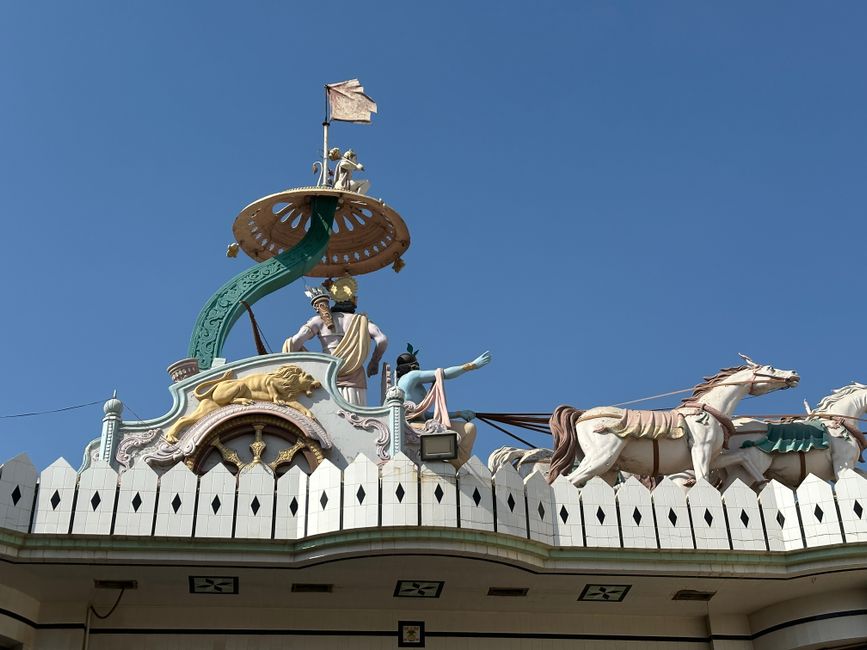
Most people trust the tropical zodiac they see in newspapers. It ties the Sun’s position to the seasons, not the stars. Vedic astrology, however, follows the sidereal zodiac, which pins the Sun, Moon, and planets to the actual constellations. Due to the precession of the equinoxes—a slow 26,000‑year wobble—the two zodiacs drift apart by about 23–24 degrees.
If you were born on November 15, 1990, most Western charts call you a Scorpio. In the sidereal system you are actually a Libra; every planetary placement, including the ascendant (Lagna) and house cusps, shifts back one sign. That shift changes which house Venus or Jupiter falls into, and therefore which dasha‑antardasha will power your marriage.
This isn’t just a sun‑sign swap. Your rising sign, moon sign, and every planet’s house change, reshaping the entire timing blueprint. The only way to see the true marriage trigger is to calculate the full Vedic chart.
The only way to know your actual Vedic chart is to calculate it. Stellr does this automatically — and the result often surprises people who've known their Western chart for years.
Curious what this means for YOUR birth chart? Discover your Vedic chart on Stellr →
Which dasha combination most often opens the marriage gate?
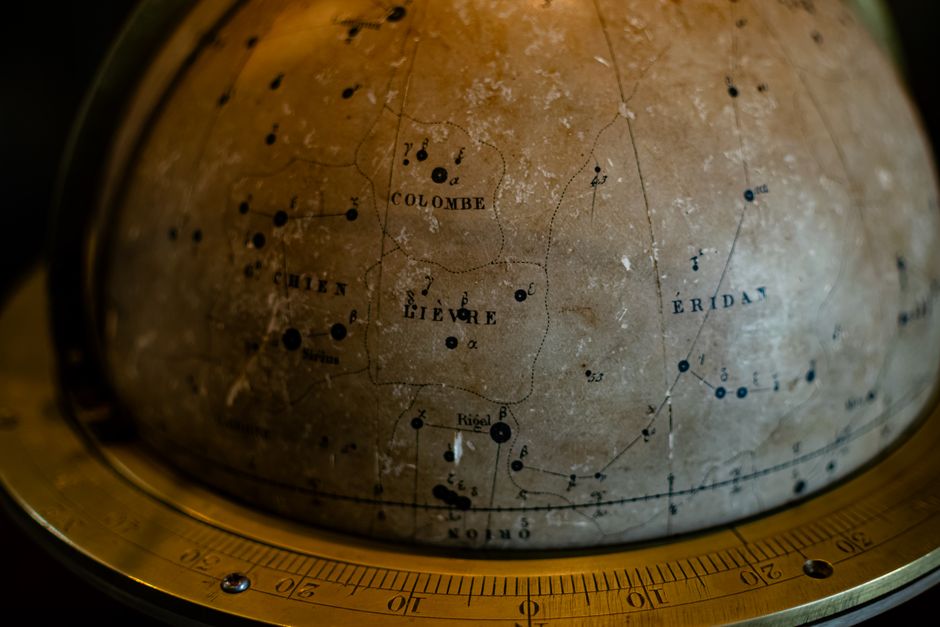
When a benefic planet sits in the 7th Bhava, the marriage potential spikes. The most reliable trigger is Sun‑Mahadasha with Venus‑Antardasha (or Jupiter‑Antardasha) and the combined Venus‑Jupiter conjunction in the 7th house. This alignment creates a 2‑year‑3‑month window where the chart’s “marriage engine” runs at full steam.
Why Sun‑Mahadasha? Sun (Surya) represents the self, authority, and the life’s core purpose. Its major period often marks major life milestones, and a supportive Antardasha from Venus or Jupiter adds the relational flavor. Venus‑Jupiter together amplify love, harmony, and commitment, and when they occupy the partnership house, the timing becomes almost inevitable.
If you’re not in Sun‑Mahadasha, the next best windows are Moon‑Mahadasha with Venus‑Antardasha in the 7th, or Jupiter‑Mahadasha with Venus‑Antardasha in the 7th. Each offers a similar but slightly longer slice, usually 3‑4 years.
How to spot the window in your chart
- Identify your Lagna (rising sign) – the house that starts the 1st Bhava.
- Locate Venus (Shukra) and Jupiter (Guru) in your chart. Note the house they occupy.
- Check the current Mahadasha sequence on your birth‑time Dasha table.
- If Sun‑Mahadasha is active and either Venus or Jupiter (or both) are in the 7th Bhava, calculate the start of the relevant Antardasha. That date marks the beginning of your marriage window.

What does the 7th house really control in everyday life?
The 7th Bhava governs marriage, long‑term partnerships, and any formal union. It also reflects how you present yourself in one‑to‑one relationships—your expectations, the type of partner you attract, and the legal contracts you sign. When benefics occupy this house, they bless the native with harmonious bonds and a smoother path to commitment.
A Venus‑7th placement often brings a love for beauty, romance, and artful connections. Jupiter‑7th adds optimism, growth, and a sense of shared purpose. Together, they create a partnership that feels both pleasurable and expansive, a classic recipe for a lasting marriage.
If the 7th house hosts a malefic like Mars (Mangal) during a challenging dasha, the timing can bring conflict, delays, or mismatched expectations. That’s why the dasha overlay matters: the same planetary placement can be a blessing or a hurdle depending on the ruling period.

How do you calculate the exact Mahadasha‑Antardasha window?
Answer: To calculate the exact marriage window, first generate your natal Vedic chart using your birth date, time, and location. Locate the Sun‑Mahadasha in the dasha table, then find the start date of the Venus‑Antardasha (or Jupiter‑Antardasha) within it. Verify that Venus or Jupiter (or both) sit in the 7th Bhava at birth. The Antardasha period (about 2 years 3 months for Venus, 1 year 4 months for Jupiter) gives the precise window.
Vedic software does the heavy lifting, but you can do it manually with a Dasha calculator and a house table. The critical step is confirming that the planet sits in the 7th at the time of birth; the dasha timing alone isn’t enough. Once you have the start and end dates, you can align wedding planning, visa applications, or family discussions with the cosmic timetable.

Why does the Sun‑Mahadasha matter more than a Moon‑Mahadasha for marriage?
The Sun (Surya) governs your core identity and life direction. When its major period runs, the chart’s focus shifts to milestones that define who you are. A marriage during Sun‑Mahadasha often feels like a natural extension of your personal purpose rather than a side‑project.
Moon‑Mahadasha (Chandra) emphasizes emotional security and domestic life. Marriages in this period are deeply feeling‑based, sometimes more impulsive or driven by family pressure. Both are valid, but the Sun’s influence tends to bring a steadier, purpose‑aligned partnership that lasts.

What this can’t tell you
Astrology shows possibilities, not guarantees. The dasha window points to a period when the universe’s timing aligns with your chart, but free will, personal choices, and external circumstances still shape the outcome. If you miss the window, another favorable dasha will arrive later. Likewise, if you’re already in a committed relationship, the timing may simply deepen the bond rather than spark a new marriage.
Frequently Asked Questions
what dasha period brings first marriage for a Leo ascendant?
Sun‑Mahadasha with Venus‑Antardasha in the 7th house is the most promising for a Leo Lagna. If Venus sits in the 7th at birth, the Venus‑Antardasha inside Sun‑Mahadasha gives a 2‑year‑3‑month marriage window.
does mars dasha delay first marriage in a cancer kundli?
Mars‑Mahadasha (Mangal) often postpones marriage for Cancer ascendants because Mars rules the 6th house, bringing work and health focus. A Venus‑Antardasha inside this period can still trigger a marriage, but it may be delayed by 1‑2 years.
which antardasha of venus dasha gives earliest marriage timing?
Venus‑Antardasha under Sun‑Mahadasha is the earliest, lasting about 2 years 3 months. It activates the marriage gate faster than Venus‑Antardasha under other Mahadashas, which tend to be longer.
how to calculate the exact mahadasha‑antardasha window for first marriage?
Generate your Vedic chart, locate the current Mahadasha, then find the Antardasha of Venus or Jupiter. Confirm that Venus/Jupiter occupy the 7th Bhava at birth. The Antardasha’s start and end dates (e.g., 2025‑03‑12 to 2027‑06‑15) form the precise marriage window.
Curious what this means for YOUR birth chart? Discover your Vedic chart on Stellr →
Free birth chart