

2 min read
Your phone buzzes with today’s Leo horoscope, you swipe, a line pops up: “You’re bold, you’ll shine at work.” You sigh, because the last twelve months have felt anything but bold—stuck in the same role, doubts humming louder than any confidence. The truth you didn’t see? In sidereal (Vedic) astrology the Sun sits about 23° earlier, so the “Leo” you’ve been told you are actually a Cancer Sun. That hidden Cancer energy explains the insecurity, the need for emotional safety, and why the Western forecast never quite lands. Let’s pull back the curtain and see why the Vedic Sun sign vs Western Sun matters for love, career, and the deeper story you keep missing.
“The Sun you think you are isn’t the Sun that was actually in the sky when you were born.”
Key Takeaways
- The sidereal zodiac used by Vedic astrology is about 23° behind the tropical zodiac of Western astrology.
- Most people’s Vedic Sun sign is one sign earlier than their Western Sun sign, reshaping personality traits.
- All other planetary placements shift too, meaning your whole chart—rising, Moon, houses—changes.

What is Vedic Sun sign vs Western Sun?
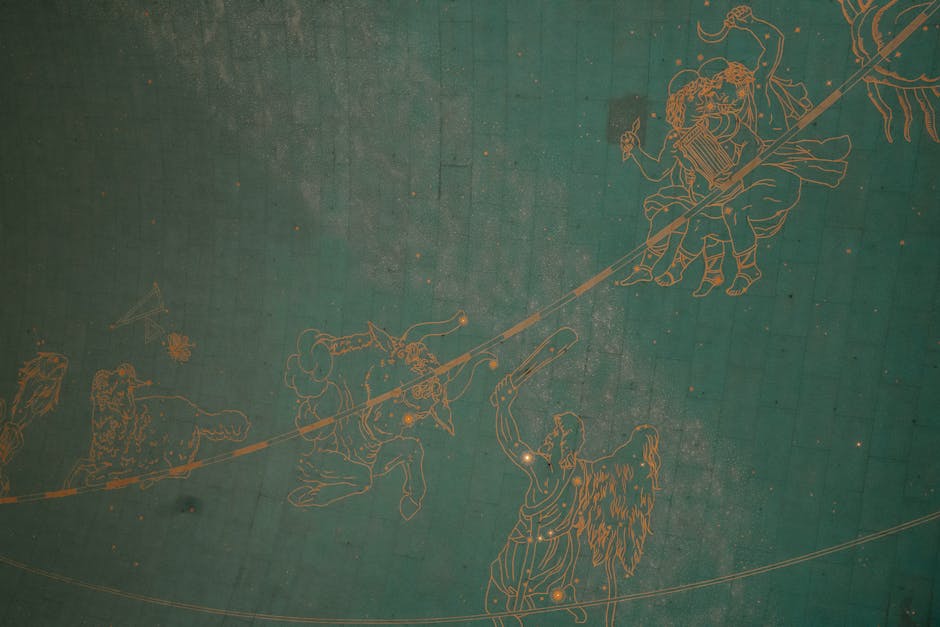
Vedic Sun sign vs Western Sun refers to the difference between the Sun’s position in the sidereal zodiac (used by Vedic astrology) and the tropical zodiac (used by Western astrology). The sidereal zodiac locks the twelve signs to the actual constellations, while the tropical zodiac ties them to the Earth’s seasonal cycle, starting at the March equinox. Because the Earth’s axis wobbles—a 26,000‑year cycle called precession—the tropical and sidereal zodiacs drift apart by roughly 23–24 degrees. That shift moves the Sun into the previous sign for most birth dates, creating a distinct Vedic Sun sign that often feels more accurate to lived experience.
Why your Western Sun feels off
Most readers trust the Western Sun because it’s on every birthday card and personality quiz. It’s easy: the Sun on your birthday equals your “sign,” and the media repeats it relentlessly. That familiarity is powerful, but it’s built on a calendar, not the night sky. Western astrologers set 0° Aries at the spring equinox each year, regardless of where the constellations have moved. Vedic astrologers, on the other hand, look up at the stars on the exact moment you were born and map the Sun against the real backdrop of constellations (the sidereal zodiac). The result is a Sun that often lands in the sign before the one you’ve been told you belong to.
How a 23° shift flips your Sun
If you were born on August 4, 1990, Western astrology says you’re a Leo because the Sun was between 23° and 30° Leo at the time. Subtract the 23° precessional offset and the Sun drops to about 0° Cancer in the sidereal chart, making you a Cancer Sun in Vedic terms. Cancer’s traits—emotional depth, protective instincts, a craving for security—match the career‑stagnation feeling you described better than Leo’s roar. This isn’t a trivial trivia point; it reshapes the core narrative you’ve been hearing about yourself.

What does this shift mean for love and relationships?
When the Sun moves back a sign, its relationship to the other planets moves too, which alters the dynamics of the 7th Bhava (the house of partnerships). In Vedic astrology the Sun also rules the 9th Bhava (the house of higher purpose), so a Cancer Sun places the Sun’s ruler, Moon, in a different house than the Western chart predicts. That changes how you approach intimacy, commitment, and even what you look for in a partner. For example, a Western Sagittarius Sun often craves freedom and adventure, but the same person’s Vedic Sun is actually a Scorpio, which values deep emotional bonding and transformative experiences. The mismatch explains why a “free‑spirit” label feels off when you repeatedly crave deeper connection.
The Vedic lens on compatibility
Vedic compatibility analysis (known as Kundali matching) checks the Moon’s position, the ascendant (Lagna), and the planetary strengths in each partner’s chart. Because the whole chart shifts with the sidereal zodiac, the traditional Western “fire‑sign matches fire” rule no longer applies. A Vedic Sun in Cancer paired with a partner whose Moon is in Virgo may create a nurturing‑practical balance that Western astrology would miss. Use our Vedic compatibility analysis to see the full picture beyond the Sun sign.

What does Vedic Sun sign vs Western Sun mean for your career?
The Sun rules the 10th Bhava (the house of career) in Vedic charts, just as it does in Western ones, but the sign it occupies determines the professional flavor. A Western Aries Sun suggests a head‑strong, pioneering path, yet the Vedic Sun might actually sit in Pisces, emphasizing creativity, empathy, and behind‑the‑scenes work. That explains why you feel pulled toward supportive roles rather than the bold leadership the Western horoscope pushes. Vedic astrologers also look at the Mahadasha (major planetary period) of the Sun, which can indicate a time of career expansion or re‑orientation. If your Sun Mahadasha aligns with Jupiter (Guru), you may see growth through teaching, law, or philosophy—areas Western astrology might overlook.
How to use this insight now
Identify the Vedic sign your Sun actually occupies by subtracting roughly 23° from the tropical degree. Then review the ruling planet (Surya, the Sun) and its house placement. If your Sun sits in the 10th Bhava in Vedic terms, focus on projects that align with the sign’s qualities rather than the Western label. This simple realignment often clears the fog that’s kept you from making decisive moves.
How the rest of your chart changes
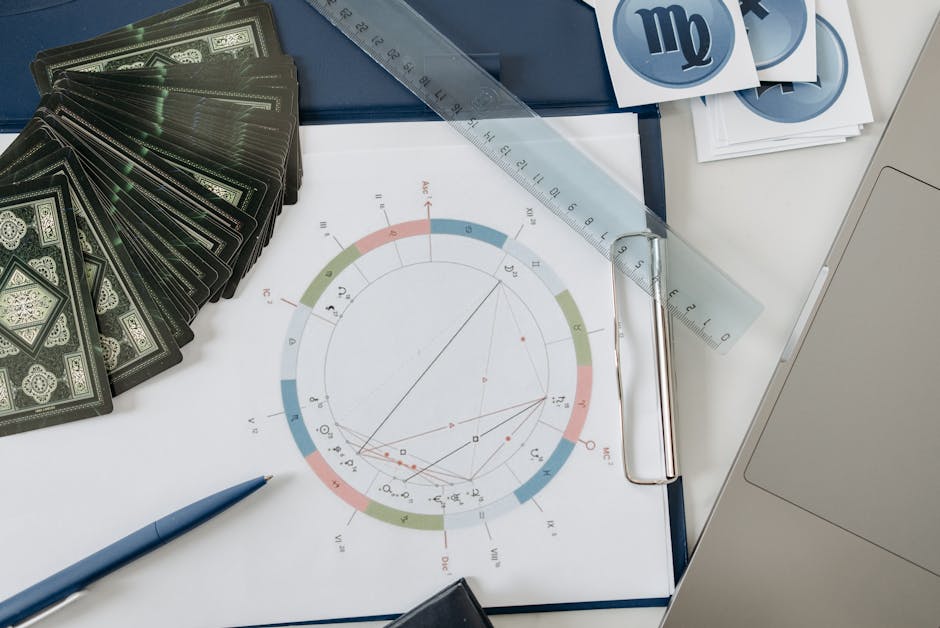
The 23° shift doesn’t just affect the Sun—it moves every planet, the Moon, Rahu (the north node), and Ketu (the south node) back by the same amount. Your rising sign (Lagna) may also change, redefining your outward personality, physical appearance, and first‑impression energy. That means the entire map of strengths, challenges, and timing—known as the Dasha system—reconfigures. A Western Mars in Cancer may become Mars in Gemini in Vedic, shifting from emotional drive to intellectual assertiveness. These nuances explain why you sometimes feel an “inner mismatch” when a daily horoscope nails one trait but misses the rest.
The dasha timeline
Vedic astrology breaks life into Mahadashas, each ruled by a different Graha (planet). The Sun Mahadasha, lasting six years, typically brings visibility, leadership opportunities, and a focus on self‑expression. If your Vedic Sun is in the 8th Bhava (the house of transformation), the Sun Mahadasha may feel like a period of intense inner work rather than outward glory—exactly the opposite of the Western expectation for a Sun‑ruled period. Explore your personal Dasha predictive timeline to see when the Sun’s energy will be most supportive.
What this can’t tell you
Even the most precise Vedic chart can’t predict every twist of fate. Free will, personal choices, and external circumstances still shape outcomes. The Vedic Sun sign vs Western Sun tells you where you’re likely to feel most comfortable, what patterns repeat, and where growth is needed, but it won’t tell you the exact job title you’ll land or the name of your future partner. Use the insight as a compass, not a set of rigid instructions.
Key Takeaways
- Vedic Sun sign vs Western Sun stems from a 23° precessional offset between sidereal and tropical zodiacs.
- This shift often places your Sun in the previous sign, aligning traits more closely with your lived experience.
- The whole chart—including rising, Moon, and planetary periods—recalculates, offering a deeper roadmap for love, career, and self‑understanding.
Frequently Asked Questions
what is the difference between vedic sun sign and western sun sign?
The Vedic Sun sign uses the sidereal zodiac, which tracks the actual constellations; the Western Sun sign uses the tropical zodiac, fixed to the seasons. Because of precession, the sidereal Sun is about 23° earlier, usually putting it in the previous sign.
how do i find my vedic sun sign?
Subtract roughly 23° from the tropical Sun degree in your birth chart. If the result falls into the previous sign, that is your Vedic Sun sign. Many online tools, including Stellr, calculate this automatically.
does a different sun sign change my whole chart?
Yes. All planetary positions shift by the same 23° offset, which can change your rising sign (Lagna), Moon sign, and the houses (Bhavas) they occupy. This reshapes personality traits, timing periods, and life themes.
can vedic astrology predict my career better than western astrology?
Vedic astrology ties the Sun to the 10th Bhava and uses the Mahadasha system for timing, offering detailed insight into career phases. Western astrology often relies on Sun sign traits alone, which can miss nuanced timing and house influences.
Curious what this means for YOUR birth chart? Discover your Vedic chart on Stellr →
Key concepts
Free birth chart