
7 min read
You're lying in bed at 12:47 AM, scrolling through some Western Sun sign profile on your phone, reading phrases like "fiercely independent" and "drawn to spontaneity" — and none of it lands. Not one word describes the way you rehearse conversations for three days before having them, or the way you instinctively withdraw when someone gets too close. You feel the quiet embarrassment of nodding at traits that belong to your cousin, not you. Here's the thing most apps will never tell you: there's a second, hidden chart placing your emotional core in an entirely different Nakshatra — a different axis of time, myth, and duty. That mismatch is exactly why every "self-level" horoscope you've read feels like it was written for someone who isn't you. And once you understand the gap between Vedic Moon sign vs Western Sun astrology, you'll never read a pop horoscope the same way again.
Key Takeaways
- Vedic astrology uses the sidereal zodiac (aligned to actual star positions), while Western astrology uses the tropical zodiac (aligned to seasons), creating a 23–24 degree gap that shifts most people's "sign" backward.
- Your Vedic Moon sign — not your Western Sun sign — describes your emotional instincts, subconscious reactions, and how you actually behave when no one's watching.
- The entire Vedic chart (rising sign, Moon, all planetary placements) can differ from Western astrology, meaning almost nothing lines up the way you expect.

What is a Vedic Moon sign?
Your Vedic Moon sign is the constellation the Moon was sitting in at the exact moment you were born, calculated using the sidereal zodiac — a coordinate system pinned to the actual positions of stars in the sky. In Western astrology, the Sun gets all the attention. Vedic astrology puts the Moon at the center. The Moon represents your mind, your emotional reflexes, the instinctive way you respond to stress, conflict, and intimacy. Your Vedic Moon sign is often called the Rashi (Moon sign), and it forms the foundation of deeper predictive techniques like the Dasha system (major planetary periods). While Western astrology says "you're a Leo Moon if the Moon was in Leo during that tropical season," Vedic astrology checks where the Moon actually was against the backdrop of real constellations — and those two answers don't match up for the vast majority of people.
Why your Western Sun sign feels like a stranger
Western astrology works on the tropical zodiac — a system locked to the seasons, not the stars. It fixes 0 degrees of Aries to the spring equinox, ~March 21, and divides the year into 12 equal 30-degree slices from there. It doesn't matter what constellation is actually sitting behind the Sun on that date. The calendar position is what counts.
Vedic astrology uses the sidereal zodiac, which tracks where planets actually were against the real star field at your birth. The problem is Earth's axis wobbles in a 26,000-year cycle called the precession of the equinoxes. Over centuries, that wobble has pulled the tropical and sidereal zodiacs apart by roughly 23–24 degrees — almost an entire sign.
This means if you've always identified as a Scorpio in Western astrology, the Sun was probably sitting in the actual constellation of Libra when you were born. Your Vedic Sun sign would be Libra. A Western Sagittarius is likely a Vedic Scorpio. A Western Capricorn is probably a Vedic Sagittarius. The gap isn't a rounding error. It's a completely different sign, a completely different element, a completely different governing planet.
And here's the part that stings: the Sun sign is only one point in a chart. Your rising sign (called Lagna in Vedic astrology), your Moon, your Mars, your Venus — all of those shift too. The Western chart and the Vedic chart are two different maps of your birth sky. They're built from the same moment in time, but they locate you in different coordinates.
Most people have spent years identifying with a Sun sign that describes the wrong slice of sky.
When the Moon matters more than the Sun
The Moon moves fast — roughly 12–14 degrees per day, spending about 2.5 days in each sign. That rapid movement means the Moon sign is highly specific to your exact birth time, making it a precise psychological marker. Vedic astrologers use the Moon sign as the starting point for reading emotional nature, mental habits, and even for constructing the Dasha timeline (major planetary periods that track when certain life themes activate).
Your Western Sun sign describes ego identity — how you want to be seen. Your Vedic Moon sign describes what happens when the performance drops. Who you are at 2 AM, who you are in a fight, who you are when you stop editing yourself. That's why, when people read their Vedic Moon sign for the first time, the recognition is often sharper and more uncomfortable than anything a Western Sun profile has given them.
Why Vedic astrology tracks the real sky (and why that changes everything)
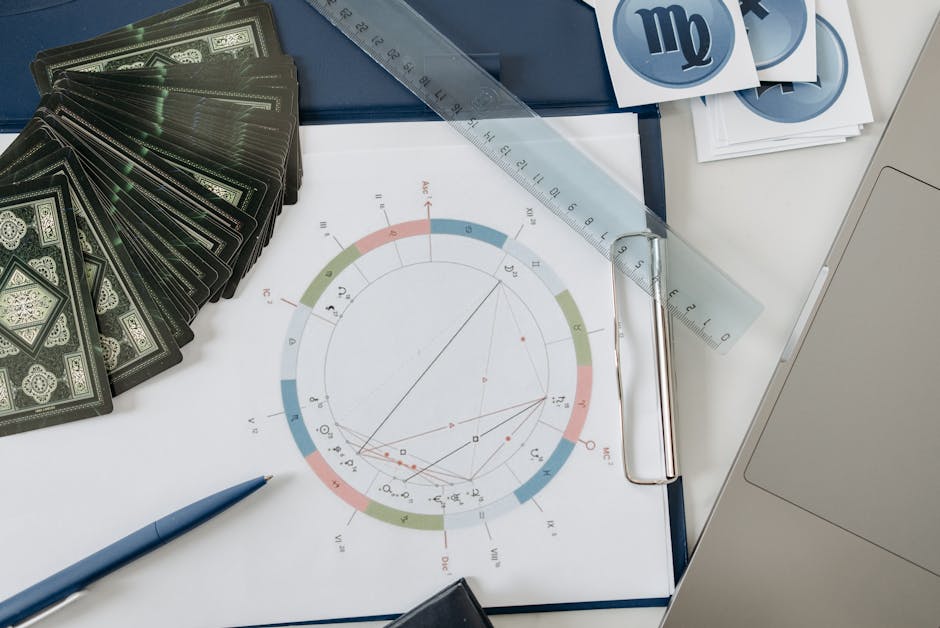
The sidereal zodiac isn't a quirk of tradition. It's a measurement choice. Vedic astrology calculates charts based on where planets physically appeared against the backdrop of constellations — the same sky you can see from Earth tonight. Western tropical astrology calculates charts based on the relationship between Earth and Sun (the seasons), regardless of which constellations are overhead.
One measures the sky. The other measures the calendar.
This matters because constellations aren't evenly sized, and the tropical system treats them as if they are. The constellation Virgo, for example, spans roughly 45 degrees of the real sky — more than an entire tropical sign. Pisces covers much less. The tropical zodiac smooths all of that out into neat 30-degree boxes, which is tidy but doesn't match what's actually up there.
Vedic sidereal astrology accounts for this unevenness. It also accounts for Abhijit Nakshatra adjustments and uses the 27 Nakshatra (lunar mansion) system rather than the 12-sign system for fine-grained emotional analysis. Each Nakshatra spans 13 degrees 20 minutes and carries its own deity, myth, and behavioral signature. So when someone says their Moon is in Jyeshtha Nakshatra (the one linked to Indra, the king of gods, carrying themes of protection and control), they're getting a psychological portrait that no 12-sign Western description could replicate.
Why does this mean your rising sign is probably wrong too?
Your Lagna (rising sign) is the constellation that was physically rising on the eastern horizon at your exact birth time and location. In Western tropical astrology, this gets calculated the same seasonal way, which means your Western rising sign is off by roughly the same 23–24 degree gap. If you've been told you're a Sagittarius rising, you might actually be a Scorpio rising in Vedic. Since the Lagna determines your entire house system in Vedic astrology — every life area from career to marriage to health gets reassigned — this isn't cosmetic. A different Lagna means a different 7th Bhava (the house of partnerships), a different 10th Bhava (career and public standing), a different set of planetary rulers governing your life domains. Your Western chart and your Vedic chart aren't just shifted by one sign. They're structurally different architectures built from the same birth moment.

What this can't tell you
No chart — Vedic, Western, or otherwise — can predict a specific event on a specific Tuesday. Astrology maps probability, tension, and thematic periods. It shows the weather of a life, not the script. A Vedic Moon sign in Mula Nakshatra (the root, tied to destruction and radical honesty) doesn't mean you'll blow up your life — it means you have a pattern of hitting a wall and choosing demolition over compromise. Knowing that pattern is useful. It's not fate. You still make the choice.
The chart is the map. You're the one walking.
Curious what this means for YOUR birth chart? Discover your Vedic chart on Stellr →
Key concepts
Free birth chart